Some links on this page are affiliate links. If you buy through them, Asiya may earn a small commission, at no extra cost to you. She only shares products she uses herself.
Recently, I have received a few DMs about L-glutamine -questions on whether it will help common gut issues like bloating, gas, constipation, and general discomfort after eating a meal. It is a popular supplement on social media, especially TikTok, with over 212 million views!!
What is l-glutamine??
Glutamine is the body’s most abundant amino acid and the form the body uses is called l-glutamine. It is a non-essential amino acid because the body can synthesise it in sufficient amounts, however in cases of intense stress, inflammation, critical illness and injuries (such as, surgeries or burns), our requirements for l-glutamine can exceed endogenous production.
Glutamine may help to improve antioxidant status, can promote stable blood sugar levels, supports cellular growth and protection in the small intestines, and improves the absorption and transport of nutrients, which is why many health practitioners recommend it to heal leaky gut.
L-glutamine is popularly used for supporting gut health:
-
helps promote production of the intestinal cell lining
-
can improve nutrient absorption
-
modulates inflammation in the gut
-
supports gut mucosal wall integrity
-
prevents leaky gut development - a study in rats showed those that did not receive glutamine supplementation before radiation resulted in developing leaky gut, whereas the rats that did receive supplementation, their gut health remained unharmed (PMID: 2354410). Chemotherapy has been shown to trigger intestinal permeability. A study on breast cancer patients illustrated glutamine supplementation for 12 days prior to chemotherapy significantly decreased the leaky gut from chemotherapy (PMID: 17168431).
While further clinical trials are needed, these studies (and anecdotal evidences) are very promising!
So, should you supplement?
I would generally recommend it for most people as a short-term treatment if you have had any major injuries and/or you have had or have an upcoming surgery, in order to promote the healing process.
With gut symptoms, it is certainly a useful tool, but one cannot out-supplement a nutrient-deficient diet that is full of ultra-processed, difficult-to-digest foods. We must be thinking about limiting the foods that cause and exacerbate leaky gut and increasing the foods that help heal the intestinal walls.
“The consistent consumption of low-quality, high carbohydrate processed foods low in fiber, can stress and potentially harm the gut. Considering that the intestines depend on glutamine more than other organs, stress on the gut will require much of the glutamine circulating in the body. Glutamine is recruited to maintain gut integrity, however once glutamine stores are depleted, the intestinal lining is left even more vulnerable to cumulative damage. Glutamine directly supports gut health and function in three key aspects: 1) it has a positive impact on sustaining the balance of the gut microbiome, 2) it increases the expression of tight junction proteins and the integrity of the intestinal lining, and 3) it helps to minimize the inflammatory response in situations of gut mucosal irritation.” - Deters & Saleem, 2021 Read this study! A ton of great info.
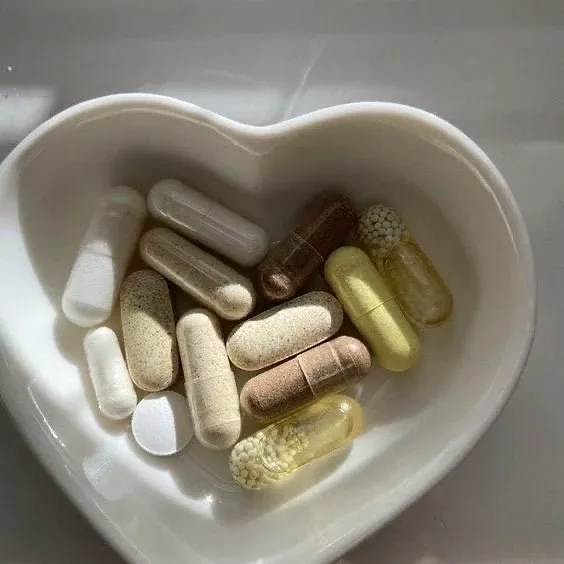
I like Metabolics Glutamine Capsules (easy to swallow capsules; use code 211363 for 10% off) or the BioCare L-Glutamine Powder (mixes well in cold water; has a slight pungent aftertaste).
And of course, just eat protein and glutamine-rich foods! A whole foods based diet will provide ample glutamine to support cell growth (this include intestinal cells). Think: beef, chicken, yogurt, milk, mackerel, red cabbage, beans, cheeses, and eggs.
Disclaimer: this information is not medical advice and is not meant to be an individualised protocol or used to diagnose and treat health problems. No supplement should be taken on a long-term basis unless advised by a qualified nutritional therapist or medical practitioner. I share what I research and use, and that is all.